Unveiling the History of Authentic Neapolitan Margherita Pizza
Step into the vibrant culinary landscape of Naples, Italy, and you’ll discover more than just a city; you’ll find the birthplace of one of the world's most beloved and iconic dishes: the Margherita pizza. Its simple elegance, characterized by the harmonious blend of fresh tomatoes, mozzarella, and basil, has captured hearts and taste buds across continents. But the Margherita is far more than just a collection of ingredients; it's a culinary masterpiece with a rich, captivating history that intertwines royal lore, regional traditions, and an unwavering commitment to quality. Understanding its origins is key to truly appreciating every delicious bite.
From its humble beginnings as Neapolitan street food to its elevated status as a global culinary icon, the journey of the Margherita pizza is a testament to the power of fresh, high-quality ingredients and timeless tradition. It’s a dish that embodies the very soul of Italian cuisine – simple yet profound, accessible yet refined. Join us as we slice through time to uncover the fascinating story behind this authentic Neapolitan classic, exploring the legends, the facts, and the enduring magic that makes the Margherita pizza a true Italian treasure.
The Royal Origins: A Tale of Two Queens (and a Pizzaiolo)
The most famous origin story of the Margherita pizza is as enchanting as it is delicious, rooted in a moment of royal grace and culinary innovation. The year was 1889, and King Umberto I and Queen Margherita of Savoy were on a visit to Naples. Tired of the elaborate French haute cuisine they were accustomed to, Queen Margherita expressed a desire to sample some of the local specialties, particularly the city's famed "pizza."
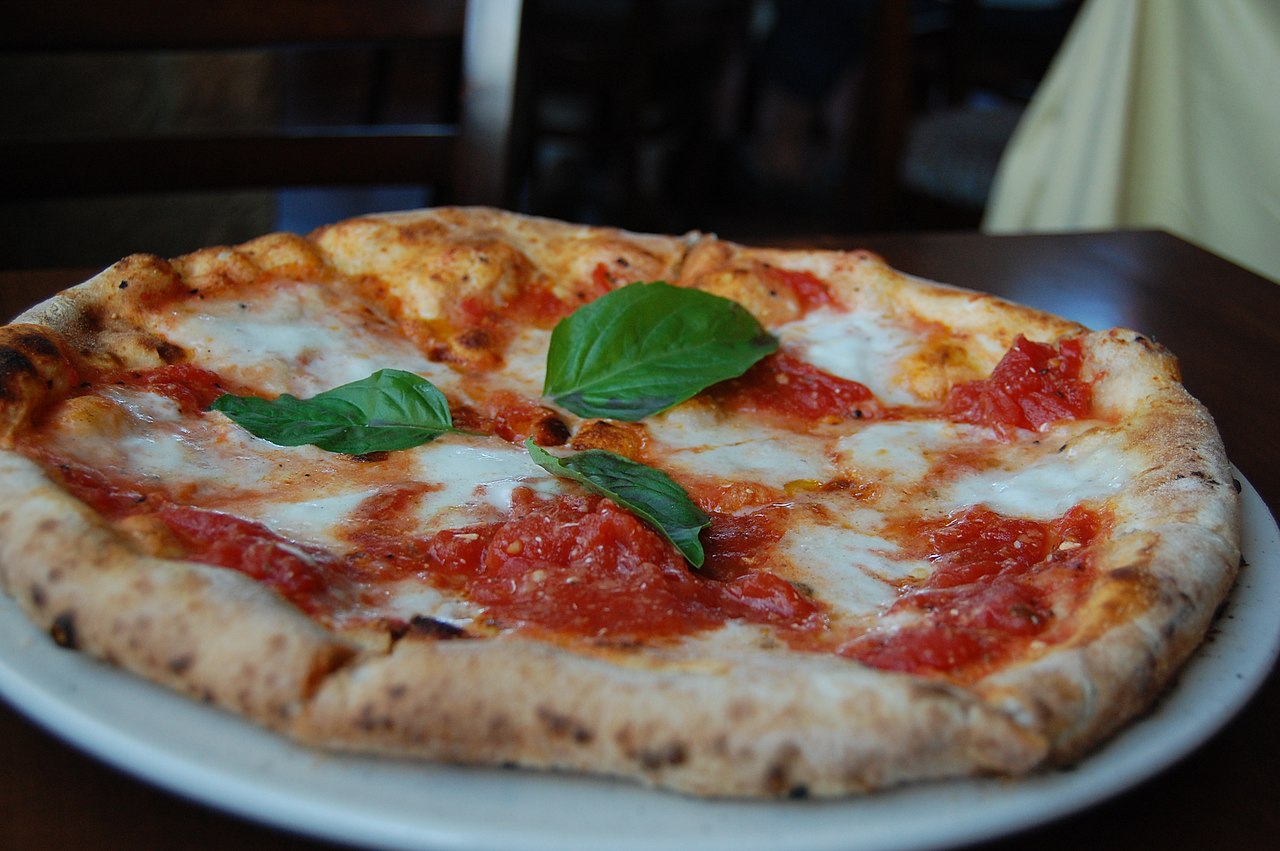
Enter Raffaele Esposito, the renowned pizzaiolo from Pizzeria Brandi. Tasked with creating pizzas for the royal palate, Esposito prepared three different types. However, it was his third creation that would forever etch his name, and the Queen's, into culinary history. This particular pizza was topped with ingredients specifically chosen to represent the colors of the recently unified Italian flag: vibrant red from ripe tomatoes, creamy white from fresh mozzarella, and aromatic green from basil leaves. The Queen was reportedly delighted with this patriotic pie, and in her honor, Esposito named it "Pizza Margherita."
While this captivating narrative has become deeply ingrained in the global consciousness, some culinary historians and researchers gently question its absolute veracity, suggesting it might be a beautifully crafted legend rather than a documented historical fact. Records of similar pizzas existed prior to 1889, and the idea of Esposito "inventing" it exclusively for the Queen is debated. Nevertheless, the story serves as a powerful symbol of national pride and has undeniably cemented the Margherita pizza's place as a cornerstone of Italian identity. It’s a legend that perfectly captures the spirit of Neapolitan culinary artistry and its connection to a rich cultural heritage, making it a story worth celebrating regardless of its exact historical precision.
Tracing Margherita's Roots: Beyond the Royal Decree
While the 1889 tale is widely celebrated, the concept of a simple pizza adorned with red, white, and green ingredients didn't spring forth from thin air. The history of similar toppings in Naples stretches back much further, hinting at a long evolution that paved the way for the Margherita we know and love today. As early as the late 18th and early 19th centuries, Neapolitans were already enjoying rudimentary forms of pizza. These early pizzas were often simple, affordable street foods, sold by vendors and consumed by the working class. They were typically topped with local, readily available ingredients.
Tomatoes, which had arrived in Europe from the Americas, were initially viewed with suspicion but eventually embraced by Neapolitan cooks. Their vibrant acidity and sweetness made them a perfect partner for the local bread. Similarly, fresh cow's milk mozzarella (Fior di Latte) and basil were common agricultural products in the Campania region. It's highly probable that combinations mirroring the Margherita's iconic palette were being enjoyed by ordinary Neapolitans long before any queen's visit.
These early pizzas were a testament to the Neapolitan philosophy of maximizing flavor from minimal, high-quality resources. The focus was on freshness and the inherent taste of each component. This tradition of simple yet incredibly flavorful preparations laid the essential groundwork for the Margherita. It shows that the true "invention" wasn't necessarily the combination of ingredients, but perhaps the formal naming and the elevation of a beloved local staple to a dish worthy of royalty. This evolution from humble street food to culinary icon highlights the deep-seated culinary heritage of Naples and its profound influence on global gastronomy. For an in-depth look at the specific qualities that make these foundational ingredients so special, explore The Authentic Margherita: Key Ingredients & Crispy Crust Secrets.
The Enduring Magic: Why Simple Ingredients Reign Supreme
The true genius of Margherita pizza lies in its unwavering commitment to simplicity and the uncompromising quality of its core ingredients. It's a philosophy that prioritizes the inherent flavors of each component, allowing them to shine in harmonious balance rather than competing for attention. This emphasis on freshness and excellence is what elevates the Margherita from a mere dish to an unparalleled culinary experience.
- San Marzano Tomatoes: The undisputed champion of pizza sauces, these plum tomatoes hail from the volcanic plains of Mount Vesuvius in the Agro Sarnese-Nocerino region. Their elongated shape, bright red color, naturally sweet flavor, and low acidity make them ideal. When crushed by hand or lightly blended, they form a simple yet profoundly flavorful sauce that is the very heart of the Margherita. The unique soil composition of their origin imparts a distinct taste that other tomatoes simply cannot replicate.
- Fresh Mozzarella: While many associate mozzarella with pizza, for an authentic Margherita, the choice matters. Traditionally, it's either fresh Fior di Latte (cow's milk mozzarella) or, for a richer experience, Mozzarella di Bufala (buffalo mozzarella). Both are fresh, soft, and moist, melting beautifully without releasing excessive water, which can make the crust soggy. The milky, slightly tangy flavor provides a perfect creamy counterpoint to the vibrant tomato.
- Fresh Basil Leaves: More than just a garnish, fresh basil adds a crucial aromatic dimension. Its sweet, peppery notes infuse the pizza with a distinct fragrance that truly completes the experience. Added near the end of the baking process or immediately after, the leaves retain their vibrant green color and delicate aroma, enhancing both the visual appeal and the taste.
- Extra Virgin Olive Oil: Often overlooked but critically important, a drizzle of high-quality extra virgin olive oil before baking (and sometimes a finishing touch after) adds richness, a subtle fruity note, and helps achieve that characteristic golden crust.
Each of these elements plays a vital role, not individually, but as part of a collective symphony of flavors and textures. The magic isn't in what's added, but in what's celebrated – the natural excellence of truly fresh, authentic ingredients. It's a testament to the idea that sometimes, less truly is more, especially when "less" means superior quality.
From Neapolitan Oven to Your Home Kitchen: Crafting Your Own Classic
While the history of the Margherita pizza is steeped in tradition, its enduring appeal means it's a dish perfectly suited for recreation in your own kitchen. Achieving that authentic Neapolitan taste at home is a rewarding endeavor that focuses on technique and ingredient respect. It's not about complex recipes but about mastering the fundamentals.
Dough Mastery: The Foundation of Flavor
The crust is paramount to any great pizza, and for the Margherita, it's about achieving a light, airy interior with a perfectly crisp and slightly charred exterior – the famous "cornicione" (rim). The choice of flour is critical; traditional Neapolitan pizza calls for "Tipo 00" flour, an incredibly finely milled Italian wheat flour with a specific protein content that allows for a tender yet chewy crust. If Tipo 00 is unavailable, a high-protein bread flour can be a good substitute, as its gluten development is key to the dough's elasticity and texture.
Equally important is the dough proofing process. This isn't just about rising; it's about flavor development. A long, slow fermentation—ideally 18-24 hours, often with a period of cold proofing in the refrigerator—allows the yeast to work its magic slowly. This process develops complex flavors in the dough and creates the tiny air bubbles necessary for that desirable light, airy texture. Rushing this step will result in a bland, dense crust. Proper kneading, whether by hand or machine, also builds the essential gluten structure for a pliable and strong dough.
Sauce Perfection: Simplicity is Key
As mentioned, San Marzano tomatoes are the gold standard. For your sauce, simply crush them by hand or with a fork, or give them a very light pulse in a food processor. The goal is to retain some texture, not create a smooth purée. A pinch of salt is often all that's needed; avoid adding sugar, herbs, or spices at this stage, as the tomato's natural sweetness and acidity should be the stars. For a deeper dive into perfecting your pizza dough and other essential techniques, refer to our comprehensive Mastering Authentic Margherita Pizza at Home: A Full Guide.
Baking Tools and Technique
To replicate the intense heat of a traditional wood-fired oven, home bakers can achieve excellent results with the right tools. A pizza stone or a pizza steel, preheated in your oven at the highest possible temperature (500-550°F / 260-290°C) for at least 45 minutes to an hour, is crucial. This superheated surface quickly transfers heat to the dough, creating that desirable crispy crust and promoting a rapid rise. A baking sheet can work in a pinch, but it won't achieve the same intense, even heat transfer.
When assembling, less is more. Spread a thin layer of sauce, add torn pieces of fresh mozzarella (not shredded, which can be too wet), and a few fresh basil leaves. A drizzle of olive oil, and into the super-hot oven it goes for typically 5-8 minutes, or until the crust is puffed and lightly charred, the cheese is bubbling, and the basil is fragrant.
By understanding and respecting these core principles – quality ingredients, patient dough development, and high-heat baking – you can bring the authentic taste of Neapolitan Margherita pizza right to your dinner table, honoring a culinary tradition that has enchanted the world for over a century.
The history of the Margherita pizza is a beautiful tapestry woven with threads of royal intrigue, working-class ingenuity, and an unwavering dedication to culinary excellence. More than just a dish, it is a cultural icon, a testament to the power of simple, high-quality ingredients to create something truly extraordinary. From its fabled origins tied to a queen to its humble beginnings on the bustling streets of Naples, the Margherita has evolved into a global phenomenon, yet its core essence remains unchanged: a harmonious blend of red, white, and green, celebrating Italian pride and the sheer joy of exceptional food. So, the next time you savor a slice, take a moment to appreciate not just its delicious flavors, but the rich, captivating history baked into every perfect bite.
