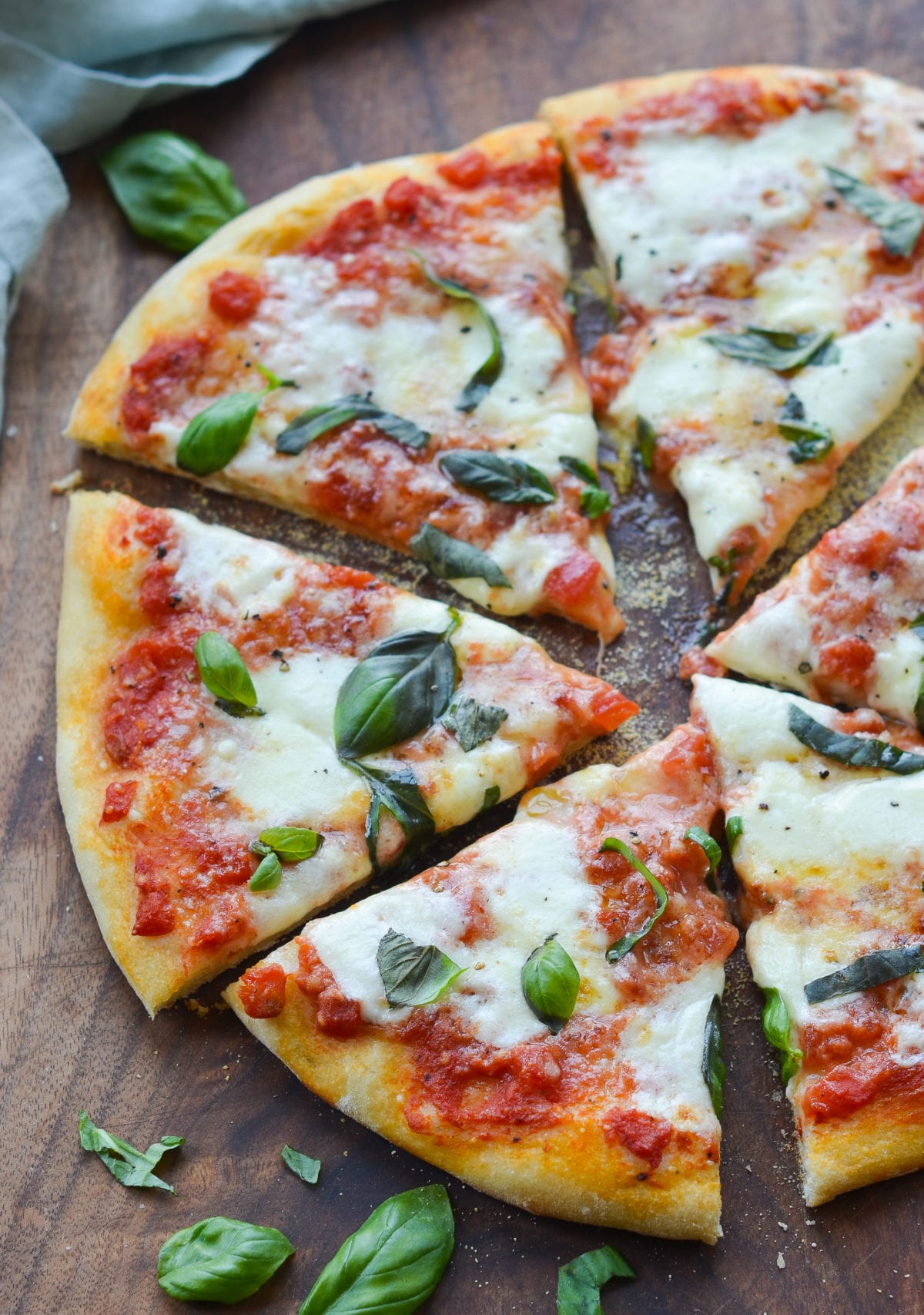
Unveiling the Timeless Charm of Authentic Margherita Pizza
Welcome to the enchanting world of authentic Margherita Pizza, a culinary icon that transcends mere food to become a symbol of Italian heritage. Far from a simple dish, the Margherita is a celebration of purity, quality ingredients, and a rich history deeply rooted in Naples, Italy. Its simple yet vibrant flavors have captivated hearts for centuries, offering a taste experience that is both comforting and exquisitely refined.
The allure of genuine Neapolitan pizza lies in its commitment to tradition and the art of transforming a few humble components into something extraordinary. This guide is your passport to mastering this beloved Italian classic in your own kitchen. Prepare to embark on a delicious journey, learning the secrets to a perfectly chewy crust, a luscious tomato sauce, and the freshest mozzarella, culminating in a pizza that will transport you straight to the bustling piazzas of Naples.
The story of the Margherita pizza is as colorful as the dish itself. Legend has it that in 1889, Neapolitan pizzaiolo Raffaele Esposito created this iconic pie for Queen Margherita of Savoy during her visit to Naples. To honor the queen and the recently unified Italy, Esposito topped the pizza with ingredients representing the colors of the Italian flag: red tomatoes, white mozzarella, and green basil. While historical accounts of similar toppings in Naples predate this moment, the tale beautifully cemented the Margherita’s place in culinary lore. To delve deeper into its fascinating origins, explore our companion piece, Unveiling the History of Authentic Neapolitan Margherita Pizza.
The Foundation of Flavor: Essential Ingredients for Your Margherita Masterpiece
The magic of Margherita pizza truly resides in its minimalist approach to ingredients. Each component, though few, must be of the highest quality, acting in harmony to create the dish's signature profile. This isn't a pizza for overwhelming toppings; it's a stage for the inherent goodness of its core elements.
The Quintessential San Marzano Tomatoes
At the heart of an authentic Margherita lies the incomparable San Marzano tomato. Grown in the volcanic soil around Mount Vesuvius in Italy, these plum tomatoes are renowned for their distinct sweetness, low acidity, and thick flesh with fewer seeds. Their Protected Designation of Origin (D.O.P.) status ensures you're getting a genuine product that promises unparalleled flavor. For your sauce, simply crush these tomatoes by hand or pulse lightly in a blender – avoid over-processing to maintain their fresh texture. A pinch of sea salt and perhaps a drizzle of extra virgin olive oil are all you need; allow the natural brilliance of the tomato to shine.
The Creamy Heart: Fresh Mozzarella
Forget the shredded low-moisture mozzarella typically found in supermarkets. Authentic Margherita demands fresh mozzarella, specifically fior di latte (cow's milk mozzarella) or, for an even richer experience, mozzarella di bufala (buffalo mozzarella). These varieties offer a milky, creamy texture and a subtle tang that complements the sweet tomatoes perfectly. Before topping your pizza, it's crucial to drain your fresh mozzarella thoroughly and tear it into small, irregular pieces. This prevents excess moisture from making your crust soggy during baking.
The Aromatic Crown: Fresh Basil
The vibrant green leaves of fresh basil provide an aromatic burst and a touch of peppery sweetness that completes the Italian flag trio. Always opt for fresh basil over dried; its fragrance and flavor are irreplaceable. For best results, tear the leaves rather than cutting them to prevent bruising, and scatter them over the pizza after it comes out of the oven or in the last few minutes of baking to preserve their bright color and delicate aroma. For a deeper dive into these and other critical elements, read The Authentic Margherita: Key Ingredients & Crispy Crust Secrets.
Crafting the Perfect Crust: Dough Secrets Revealed
While the toppings are vital, the crust is the soul of any great pizza, and for an authentic Margherita, it's paramount. A truly Neapolitan crust is characterized by its airy, chewy interior, a slightly blistered, crispy exterior, and the signature "cornicione" – the puffy, charred edge.
Choosing Your Flour Wisely
The journey to a perfect crust begins with the right flour. While the reference mentions high-protein bread flour, traditional Neapolitan pizza often uses Italian "00" flour. This finely milled flour, despite its lower protein content compared to some bread flours, has a unique gluten structure that, when properly hydrated and proofed, yields an incredibly soft, extensible dough ideal for achieving that characteristic light and airy crumb. If 00 flour isn't available, a good quality unbleached bread flour with a protein content around 12-13% can be a suitable alternative for developing the necessary gluten for a chewy texture.
The Art of Dough Proofing
Dough proofing is not just a step; it's a slow dance between yeast and flour that unlocks incredible flavor and texture. The reference rightly emphasizes an extended proofing time. A long, cold fermentation (18-24 hours in the refrigerator or 12-18 hours at a cool room temperature, as suggested) allows the yeast to slowly ferment, developing complex flavors and breaking down starches. This process creates the air bubbles necessary for a light, airy crust with an open crumb structure and also makes the dough more digestible. It also allows gluten to relax and develop, making the dough easier to stretch without tearing. Resist the urge to rush this crucial step.
Tools of the Trade: Equipping Your Home Pizzeria
While a true Neapolitan wood-fired oven reaches temperatures upwards of 900°F (480°C), you can still achieve fantastic results at home with the right equipment and techniques. These tools are designed to mimic the intense heat of a professional oven, creating that sought-after crispy crust.
- Pizza Stone or Baking Steel: Essential for a crispy crust. A pizza stone, typically ceramic, absorbs and retains heat, transferring it directly to the dough for even cooking. A baking steel, a newer alternative, offers even better thermal conductivity, heating up faster and retaining heat more efficiently than a stone, resulting in an even crispier base. Preheat either tool in your oven at its highest setting for at least 45-60 minutes before baking.
- Pizza Peel: This flat, paddle-like tool is indispensable for transferring your raw, assembled pizza to the screaming-hot baking surface and retrieving the finished pie. A light dusting of semolina flour or regular flour on the peel will help the pizza slide off smoothly.
- High-Heat Oven: Crank your oven to its absolute maximum temperature, typically 500-550°F (260-290°C). The higher the heat, the faster the pizza cooks, leading to a crispier crust before the toppings overcook. If your oven has a broiler, you can often use it in the last minute or two of baking to achieve that desirable char on the crust.
Your Step-by-Step Journey to Homemade Margherita Perfection
Now that you understand the principles and have your high-quality ingredients ready, let's assemble your masterpiece.
Step 1: Preparing Your Authentic Margherita Pizza Dough
- Mix Ingredients: In a large bowl, combine your chosen flour (00 or high-protein bread flour), water (around 60-65% hydration, so 600-650ml per 1kg flour), a small amount of fresh or active dry yeast (0.5-1% of flour weight), and fine sea salt (2-2.5% of flour weight). Mix until a shaggy dough forms.
- Knead: Turn the dough onto a lightly floured surface and knead for 10-15 minutes until smooth and elastic. Alternatively, use a stand mixer with a dough hook for 7-10 minutes.
- First Rise (Bulk Fermentation): Place the dough in a lightly oiled bowl, cover with plastic wrap, and let it proof for 1-2 hours at room temperature, or until doubled in size. For the authentic 18-hour method, refrigerate the dough immediately after kneading and let it slowly ferment.
- Divide and Shape: Punch down the dough gently, then divide it into 3-4 equal balls (around 250g each for a 10-12 inch pizza). Shape each into a tight ball.
- Second Rise (Proofing): Place the dough balls on a lightly floured tray, cover loosely, and let them proof at room temperature for another 2-4 hours (or bring refrigerated dough to room temperature for 1-2 hours before shaping), until visibly puffy and airy. This is crucial for that open crumb.
Step 2: Crafting the Signature San Marzano Sauce
- Prep Tomatoes: Empty a can of D.O.P. San Marzano tomatoes into a bowl. Gently crush them by hand or use a fork to break them down. Avoid pureeing them for a more rustic texture.
- Season: Stir in a generous pinch of fine sea salt. Some purists add nothing else, but a tiny drizzle of quality extra virgin olive oil can enhance the flavor. Resist adding garlic, onion, or sugar; the natural sweetness of the tomatoes is key.
Step 3: Assembling Your Neapolitan Masterpiece
- Preheat Oven: Place your pizza stone or steel on the middle rack and preheat your oven to its highest temperature (500-550°F / 260-290°C) for at least 45-60 minutes.
- Stretch Dough: On a lightly floured surface (or using semolina flour), gently stretch one dough ball from the center outwards, preserving the puffy edge (cornicione). Aim for a round shape, about 10-12 inches in diameter. Avoid using a rolling pin, as it pushes out air and toughens the crust.
- Top Your Pizza: Carefully transfer the stretched dough to a lightly floured pizza peel. Spoon 2-3 tablespoons of the crushed San Marzano tomato sauce onto the center, spreading it evenly in a spiral motion, leaving the outer edge bare for the crust. Distribute the torn fresh mozzarella pieces evenly over the sauce.
Step 4: Baking to Golden Perfection
- Launch Pizza: With a swift, confident motion, slide the pizza from the peel directly onto the preheated pizza stone or steel.
- Bake: Bake for 5-8 minutes, or until the crust is golden brown and puffy with some charred spots, and the cheese is melted and bubbling. If your oven has a broiler, you can turn it on for the last minute or two to achieve extra char on the cornicione, watching carefully to prevent burning.
- Finish: Carefully remove the pizza with the peel. Scatter fresh basil leaves over the hot pizza. A final drizzle of extra virgin olive oil is optional but recommended for added richness and aroma.
Beyond the Recipe: Tips for Margherita Pizza Excellence
- High Heat is Your Friend: Never underestimate the importance of oven temperature. The hotter your oven, the closer you'll get to a traditional Neapolitan bake. Preheating for a long time ensures your stone or steel is thoroughly heated.
- Don't Over-Top: The beauty of a Margherita is its simplicity. Too much sauce or cheese will weigh down the dough, create excess moisture, and prevent that perfect crispness. Less is truly more.
- Quality Over Quantity: Invest in the best San Marzano tomatoes, fresh mozzarella, and extra virgin olive oil you can find. These few ingredients are the stars, and their quality will profoundly impact the final taste.
- The Finish Line: Once your pizza is out of the oven, slice it immediately and serve. Pizza is at its absolute best when it's fresh and hot.
- Practice Makes Perfect: Don't be discouraged if your first attempt isn't flawless. Pizza making is an art form that improves with practice. Each time you make a Margherita, you'll refine your dough handling, stretching, and baking techniques.
Conclusion: Mastering authentic Margherita pizza at home is a deeply rewarding culinary endeavor. It’s a journey that connects you to generations of Italian pizzaiolos and celebrates the power of quality, simple ingredients. By understanding the critical role of San Marzano tomatoes, fresh mozzarella, long-proofed dough, and high-heat baking, you can recreate this Neapolitan treasure in your own kitchen. Embrace the process, savor the flavors, and enjoy the pure, unadulterated joy of a truly authentic homemade Margherita pizza.
