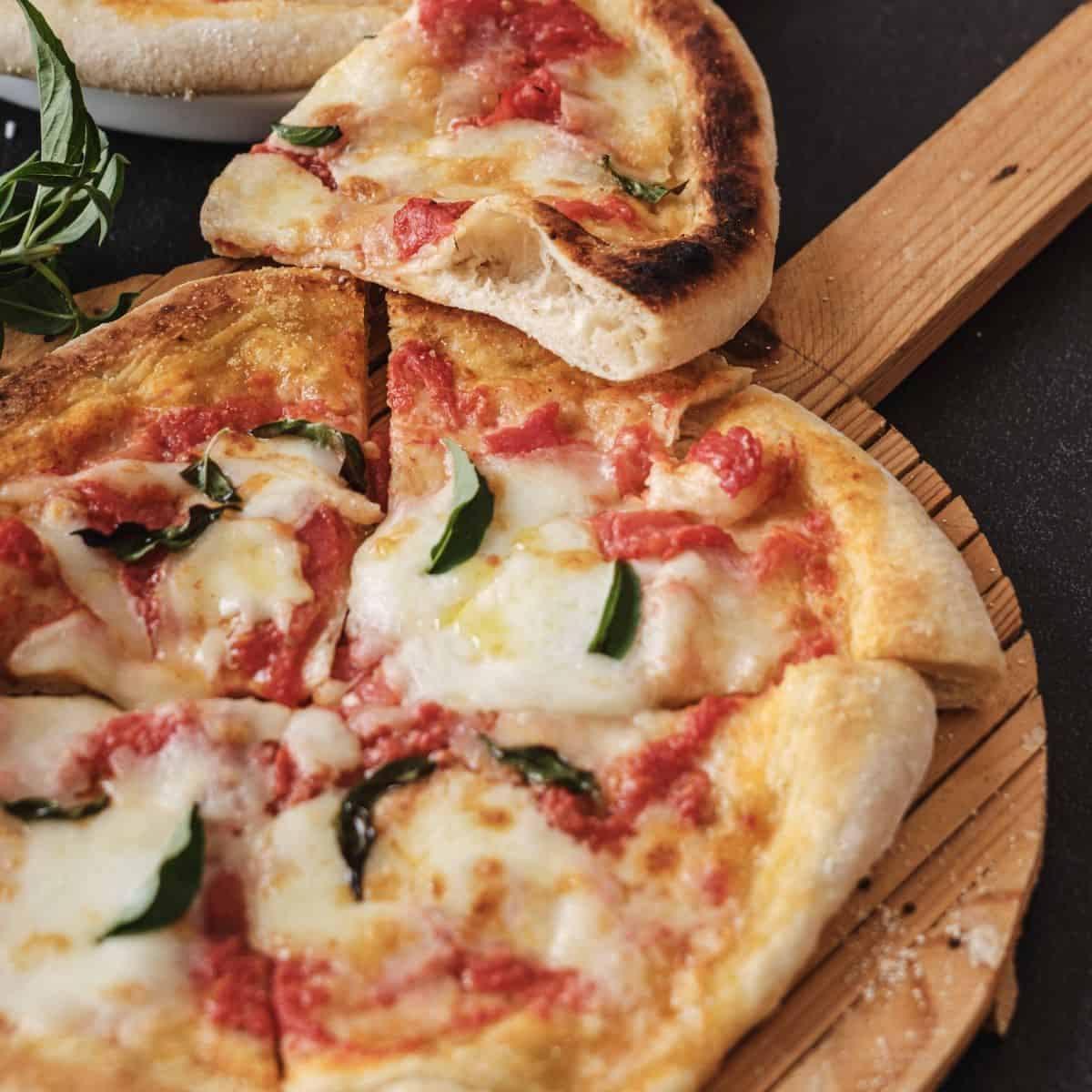
The Heart of Italy: Understanding Authentic Margherita Pizza
Welcome to the enchanting world of Margherita pizza, a culinary icon that perfectly embodies the spirit of Italian cuisine. Far from being just another pizza, the authentic Margherita is a masterpiece of simplicity, relying on a trifecta of high-quality ingredients to deliver a vibrant, unforgettable flavor. It's a dish that tells a story, a taste that transports you straight to the bustling piazze of Naples, where this classic was born. In this comprehensive guide, we'll delve into the foundational ingredients that make Margherita pizza so special and unlock the secrets behind achieving that coveted crispy crust right in your home kitchen.
Historical Roots & Cultural Significance
The legend of the Margherita pizza traces back to 1889 when, according to popular lore, Neapolitan pizzaiolo Raffaele Esposito created this specific pie for Queen Margherita of Savoy during her visit to Naples. Designed to reflect the colors of the newly unified Italian flag—red (tomatoes), white (mozzarella), and green (basil)—this pizza instantly captured hearts and palates, becoming a symbol of national pride and culinary heritage. While historical evidence suggests similar toppings existed in Naples long before Esposito's creation, the association with the Queen undeniably cemented its name and fame.
Regardless of the exact origin story, the Margherita pizza stands as a testament to the Neapolitan tradition of elevating simple, fresh ingredients to extraordinary heights. Its enduring popularity across the globe speaks volumes about its timeless appeal and inherent deliciousness. To truly appreciate its depth, one must understand that every component plays a crucial role in creating the harmonious whole. For a deeper dive into its fascinating past, read Unveiling the History of Authentic Neapolitan Margherita Pizza.
The Golden Trio: Essential Ingredients for Margherita Perfection
The magic of an authentic Margherita pizza lies not in a long list of fancy toppings, but in the uncompromising quality of just a few key components. These ingredients are meticulously chosen and prepared to ensure a symphony of fresh, natural flavors. Compromising on any of these will fundamentally alter the authentic experience.
San Marzano Tomatoes: The Sweet Foundation
The soul of the Margherita's red hue comes from San Marzano tomatoes. These exceptional plum tomatoes, grown in the volcanic soil near Mount Vesuvius, boast a naturally sweet flavor, low acidity, and a firm flesh that makes them ideal for sauce. Their Protected Designation of Origin (PDO) status ensures authenticity and quality. Unlike many other tomato varieties, San Marzanos deliver a bright, pure tomato flavor that forms the perfect counterpoint to the rich cheese and aromatic basil.
Tip for preparation: For the most authentic sauce, simply crush canned whole San Marzano tomatoes by hand or pulse them lightly in a food processor—do not overblend into a smooth purée. Season lightly with salt and perhaps a tiny pinch of dried oregano or a fresh basil leaf, but nothing more. The goal is to let the inherent sweetness and freshness of the tomatoes shine through.
Fresh Mozzarella: Creamy Indulgence
Forget the pre-shredded, low-moisture mozzarella typically found on American pizzas. For an authentic Margherita pizza, you need fresh mozzarella, specifically fior di latte (cow's milk mozzarella) or, for a richer experience, mozzarella di bufala (buffalo mozzarella). These fresh cheeses are characterized by their milky flavor, soft texture, and high moisture content, which melts beautifully into creamy pockets on the pizza.
Key Insight: Managing the moisture is crucial. Before using, ensure you drain the fresh mozzarella thoroughly and gently pat it dry. Tearing or slicing the mozzarella into smaller pieces rather than large slabs will help it melt evenly and prevent your crust from becoming soggy. The goal is luscious creaminess, not a watery mess.
Fresh Basil: Aromatic Finisher
The final, vibrant green touch is fresh basil leaves. Beyond adding a burst of color, basil contributes a distinctive, peppery-sweet aroma that is instantly recognizable and utterly essential to the Margherita pizza experience. Its fragrant oils are best preserved by adding the basil towards the end of the baking process, or even immediately after the pizza comes out of the oven. This prevents the delicate leaves from scorching and turning bitter, ensuring their fresh aroma permeates every bite.
A Drizzle of Excellence: Extra Virgin Olive Oil
While often overlooked, a final drizzle of high-quality extra virgin olive oil (EVOO) after baking is the chef's kiss for an authentic Margherita pizza. A good EVOO adds a subtle fruity note, a delicate richness, and a beautiful sheen that elevates the entire dish, tying all the flavors together.
Mastering the Crispy Crust: Secrets from Neapolitan Pizzaiolos
Beyond the exquisite toppings, the crust of an authentic Margherita pizza is a marvel unto itself—light, airy, yet with a satisfying chew and that signature leopard-spotted char. Achieving this perfection requires attention to dough, temperature, and technique.
The Foundation: Perfect Pizza Dough
The crust is the canvas of your pizza, and its quality is paramount. It all starts with the right flour and proper fermentation.
- Flour Selection: For a truly authentic Neapolitan-style crust, look for Italian "Tipo '00'" flour. This finely milled soft wheat flour creates a supple, elastic dough ideal for thin crusts. If unavailable, a high-protein bread flour (around 12-14% protein) is an excellent substitute, as its strong gluten development is crucial for the desired chew and structure. Avoid all-purpose flour, which lacks the protein content for a robust crust.
- Dough Proofing: This is arguably the most critical step for flavor and texture. A long, slow proofing allows the yeast to work its magic, developing complex flavors and creating air bubbles that result in a light, airy, and open crumb structure. While some recipes suggest a quick rise, authentic Neapolitan dough benefits immensely from an extended fermentation—ideally 18 to 24 hours at room temperature, or even longer (2-3 days) in the refrigerator for maximum flavor development. This extended proof also helps relax the gluten, making the dough easier to stretch without tearing. For a deep dive into dough making, refer to Mastering Authentic Margherita Pizza at Home: A Full Guide.
High Heat is Key: Baking Surfaces & Techniques
To replicate the blistering heat of a traditional wood-fired pizza oven, your home oven needs a helping hand.
- Pizza Stone vs. Baking Steel: These are your best friends for achieving a crispy crust. Both absorb and retain heat exceptionally well, providing a super-hot surface that mimics the oven floor.
- A pizza stone is porous and helps draw moisture from the dough, resulting in a crispier base.
- A baking steel conducts heat even more efficiently than a stone, often resulting in an even faster cook time and a more pronounced char on the crust (the coveted "leopard spots").
- While a standard baking sheet can be used in a pinch, it simply doesn't retain or transfer heat as effectively, making a truly crispy, airy crust much harder to achieve.
- Oven Temperature: Crank your oven to its absolute highest setting (typically 500-550°F or 260-290°C). Preheat your pizza stone or steel for at least 45 minutes to an hour before baking. This super-hot surface instantly cooks the bottom of the dough, creating that desirable crispy base and promoting rapid oven spring for an airy crust.
- Launch Technique: Prepare your pizza on a lightly floured pizza peel. A quick, confident slide onto the preheated stone or steel is essential. If you hesitate, the dough might stick, ruining your perfect circle.
Assembling Your Masterpiece & Troubleshooting Tips
With your perfect dough and premium ingredients ready, the assembly is straightforward but requires a delicate touch. Gently stretch your dough to your desired thickness, leaving a slightly thicker edge for the crust. Spoon the crushed San Marzano tomatoes evenly, ensuring not to overload the base. Distribute your well-drained mozzarella pieces, followed by a few fresh basil leaves. Remember, less is often more with a Margherita.
- Preventing Sogginess: The biggest enemy of a crispy crust is excess moisture. Ensure your mozzarella is thoroughly drained and your tomato sauce isn't too watery. Don't add too much of either topping.
- Achieving the Char: High heat is paramount. If your crust isn't getting those beautiful dark spots, try moving your baking surface closer to the top heating element during the last minute of baking, but watch it carefully to prevent burning.
Conclusion
The authentic Margherita pizza is a celebration of culinary heritage, ingredient purity, and masterful technique. It proves that extraordinary flavors often arise from profound simplicity. By understanding the critical role of San Marzano tomatoes, fresh mozzarella, aromatic basil, and by mastering the secrets of a perfectly proofed dough and high-heat baking, you can recreate this iconic Italian classic at home. Embrace the process, savor the aromas, and enjoy every crispy, chewy, flavorful bite of your homemade authentic Margherita. It's more than just food; it's a piece of Italian art.
